
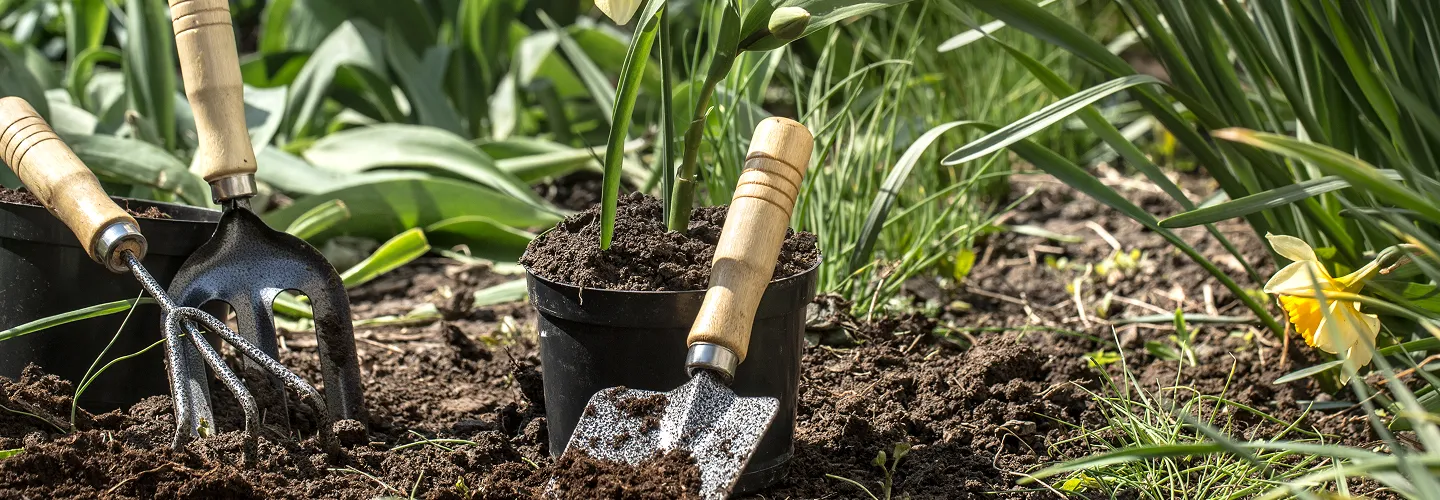
Chelmsford Flower Bed Maintenance Services
Choose our Flower Bed Maintenance for expert care, vibrant blooms, and a weed-free garden—so you can enjoy a beautiful, healthy landscape without the hassle.
Get a Free QuoteOur Chelmsford Landscaping & Yard Care Services
When to Schedule Flower Bed Maintenance in Chelmsford, Massachusetts – Seasonal Guide
In Chelmsford, Massachusetts, timing your flower bed maintenance is crucial for vibrant, healthy landscapes. The region’s climate features cold, snowy winters and warm, humid summers, making early spring and late fall the optimal periods for most maintenance tasks. For example, neighborhoods near Heart Pond or the Bruce Freeman Rail Trail often experience late spring frosts, so it’s best to wait until after the last frost date—typically in late April—before mulching, planting annuals, or dividing perennials.
Local environmental factors such as the sandy loam soils found in Westlands, the shade coverage from mature maples in Old Stage Estates, and the risk of summer droughts all play a role in determining the best maintenance schedule. Homeowners should also be aware of municipal watering restrictions, which are updated seasonally on the Town of Sudbury’s website, as these can impact irrigation planning and plant health throughout the growing season.
Local Factors to Consider for Flower Bed Maintenance in Chelmsford
- Proximity to mature trees and resulting shade coverage
- Soil type (e.g., sandy loam vs. clay in different neighborhoods)
- Average precipitation and risk of summer drought
- Frost dates and temperature fluctuations
- Terrain and drainage patterns, especially near local wetlands
- Municipal watering restrictions and local ordinances
Benefits of Flower Bed Maintenance in Chelmsford
Enhanced Curb Appeal
Weed and Pest Control
Healthier Plant Growth
Seasonal Color Management
Professional Expertise
Time and Effort Savings
Chelmsford Flower Bed Maintenance Types

Seasonal Flower Planting
-
Weed Control Services
-
Mulching and Soil Conditioning
-
Pruning and Deadheading
-
Fertilization Programs
-
Pest and Disease Management
-
Edging and Bed Redefining
Our Flower Bed Maintenance Process
Site Evaluation
Weed Removal
Soil Preparation
Plant Care
Mulching
Why Choose Chelmsford Landscape Services
-
Chelmsford Homeowners Trust Us
-
Expert Lawn Maintenance
-
Reliable Seasonal Cleanups
-
Competitive Pricing
-
Professional Team
-
Satisfaction Guarantee
-
Personalized Service
Managing Flower Bed Maintenance in Chelmsford’s Glacial Till and Sandy Soils
Chelmsford’s predominant soils, as identified by the USDA Web Soil Survey, include Windsor loamy sand and Charlton-Hollis glacial till, both of which present unique challenges for flower bed maintenance. Windsor soils are excessively drained, requiring frequent irrigation and organic matter incorporation, while Charlton-Hollis soils are stony and moderately acidic (pH 5.5-6.2), necessitating lime application for many ornamental species. For optimal results:
- Conduct soil testing through UMass Extension (typical cost: $15-25)
- Apply 2-3 inches of compost, tilled to a 6-inch depth
- Use lime if pH is below 6.0; sulfur for pH above 7.5
- Select species tolerant of variable drainage
Coordination with the Department of Public Works is recommended for guidance on soil amendments and municipal compost availability.
Chelmsford Department of Public Works
50 Billerica Road, Chelmsford, MA 01824
Phone: (978) 250-5201
Official Website: Chelmsford Department of Public Works
Seasonal Timing and Weather Considerations for Flower Beds in Chelmsford
Chelmsford is located in USDA Hardiness Zone 6a, with average last frost dates around May 10 and first frost typically in mid-October. The National Weather Service Boston/Norton Office provides up-to-date local forecasts critical for scheduling planting and maintenance. For flower bed success:
- Spring planting: April 20 – May 30 (soil temp 50-65°F)
- Fall planting: September 1 – October 10 (before first frost)
- Mulch application: Early May and late September
- Avoid heavy soil work during March/early April (soil compaction risk)
Monitor rainfall and temperature trends to adjust irrigation and protect new plantings from late frosts. For detailed climate data, consult the NWS Boston/Norton Office.
Municipal Yard Waste Collection and Debris Disposal Protocols in Chelmsford
Proper disposal of flower bed debris is regulated by Chelmsford’s curbside yard waste program. Weekly collection occurs every Thursday from April through November. Residents must use biodegradable paper bags or 32-gallon reusable containers; plastic bags are prohibited. Accepted materials include leaves, grass clippings, and brush under 4 feet in length and 4 inches in diameter. Prohibited items include soil, rocks, and branches over 4 inches. Key guidelines:
- Place containers curbside by 7:00 AM on collection day
- Do not block sidewalks or storm drains
- Excess debris may be brought to the town’s yard waste drop-off site (seasonal hours)
For program details and drop-off site hours:
Chelmsford Department of Public Works
50 Billerica Road, Chelmsford, MA 01824
Phone: (978) 250-5201
Official Website: Chelmsford Department of Public Works
Environmental Compliance: Wetland Buffers and Stormwater Management for Chelmsford Flower Beds
Flower bed maintenance near Chelmsford’s wetlands, such as those bordering Freeman Lake and Great Brook, must comply with the Massachusetts Environmental Policy Act (MEPA) and the town’s Conservation Commission regulations. Key requirements include:
- Maintain a 25-foot no-disturbance buffer from all wetlands
- No fertilizer or pesticide application within 50 feet of water bodies
- Prevent clippings and soil from entering storm drains (MS4 permit compliance under the Clean Water Act)
- Use only approved organic mulches in buffer zones
For questions on buffer zones and permitting:
Chelmsford Conservation Commission
50 Billerica Road, Chelmsford, MA 01824
Phone: (978) 250-5247
Official Website: Chelmsford Conservation Commission
Statewide stormwater requirements are overseen by the Massachusetts Department of Environmental Protection.
Plant Selection and Native Species Recommendations for Chelmsford Flower Beds
Selecting appropriate species for Chelmsford’s climate and soils enhances both sustainability and compliance with local conservation goals. Recommended practices include:
- Use native perennials such as black-eyed Susan (Rudbeckia hirta), wild bergamot (Monarda fistulosa), and Joe Pye weed (Eutrochium purpureum)
- For partial shade: astilbe, coral bells (Heuchera), and hosta
- Deer-resistant options: lavender, Russian sage, and salvia
- Space plants 12-24 inches apart for optimal growth
- Avoid invasive species listed by the Massachusetts Invasive Plant Advisory Group
For plant selection guidance and soil test services:
UMass Extension
UMass Amherst, Amherst, MA 01003
Phone: (413) 545-4800
Official Website: UMass Extension
What Neighborhoods Do We Serve Throughout Chelmsford, MA?
- Westlands: Characterized by mature tree cover and moderately well-drained glacial till soils, requiring regular mulching and organic matter addition for flower beds.
- South Row: Features newer developments with compacted fill soils and smaller lot sizes, making soil amendment and drainage management essential for healthy plantings.
- East Chelmsford: Proximity to wetlands and conservation areas necessitates strict adherence to buffer regulations and careful species selection to prevent runoff.
- North Chelmsford: Urbanized with higher traffic and limited green space, often requiring raised beds and deer-resistant plantings due to local wildlife pressure.
- Hitchinpost: Larger lots and sloped terrain present challenges for erosion control and require strategic placement of perennial beds to manage runoff.
- South Chelmsford: Includes properties near Freeman Lake, where high water tables and periodic flooding demand flood-tolerant species and elevated planting beds.
- Vinal Square: Historic district with older homes and established landscaping, often subject to additional local preservation guidelines for plantings and maintenance.